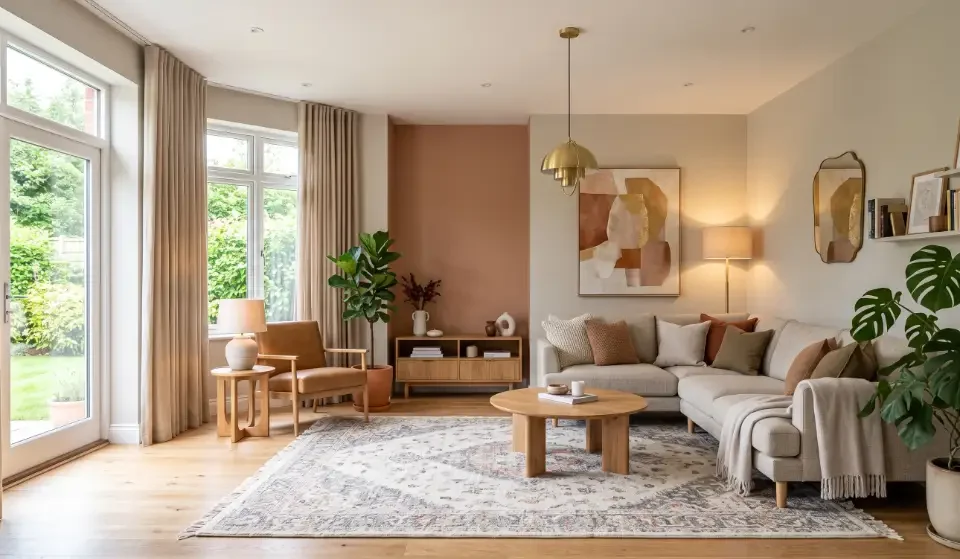

Does your home feel outdated, cramped, or dull even though your furniture still works perfectly? Home improvement Mintpaldecor can help you create a fresher, more comfortable space without spending a fortune on major renovations. Small changes often deliver surprisingly big results when you know where to focus first. In this guide, you’ll discover five practical home improvement ideas that can quickly refresh your rooms, improve interior design, and make everyday spaces feel more inviting. We’ll cover smart room makeovers, better lighting, furniture placement, color choices, and finishing touches. You’ll also learn common mistakes to avoid, budget-friendly upgrades to consider, and simple ways to make your home look polished without turning your project into an expensive renovation.
1. Change the Room’s First Impression With Color

Color is usually the first thing people notice when they enter a room. It can make a space feel larger, warmer, calmer, or more energetic without changing its layout. A fresh coat of paint can also hide tired walls and give older rooms a cleaner appearance.
Before choosing a shade, study the room during different parts of the day. Natural light changes how paint looks, while lamps can make certain colors appear warmer at night. For example, a north-facing room may benefit from a warm neutral, while a bright south-facing room can handle cooler tones.
| Room Problem | Color Approach | Result |
| Dark room | Warm white or soft beige | Creates a brighter feeling |
| Small room | Light, consistent shades | Gives the space more openness |
| Large room | Deeper accent shade | Adds visual balance |
| Busy room | Simple neutral palette | Calms the overall look |
One mistake beginners often make is choosing paint from a tiny store card and immediately buying several gallons. Instead, test a larger sample on the actual wall. Watch it in daylight and under your evening lights before making the final decision.
How Home Improvement Mintpaldecor Uses Color in Small Rooms
Small rooms don’t always need bright white walls. Soft beige, warm off-white, muted green, and gentle gray can create an airy feeling while adding personality. Keeping the trim and walls close in tone can also reduce visual breaks.
Here’s another useful trick: consider the ceiling. A lighter ceiling can make the room appear taller, especially when the walls already have some color. If you want more personality, use one controlled accent wall instead of several competing shades.
The goal isn’t to make the room look bigger at any cost. It’s to make the available space feel balanced and intentional.
2. Fix the Layout Before You Buy Anything

Before spending money on new furniture, look at what you already own. A poorly arranged sofa, oversized table, or blocked walkway can make a room feel cramped even when the room itself has plenty of space.
Start by watching how people move through the area. Can someone walk from the entrance to the sofa without squeezing past a table? Can you open cabinets and doors comfortably? Does the seating encourage conversation, or does every chair point toward a different direction?
Good furniture arrangement should support the way you actually live.
| Layout Problem | What It Usually Means | Simple Solution |
| Blocked walkway | Furniture is too close together | Move large pieces |
| Crowded center | Table or seating is oversized | Create more floor space |
| Disconnected seating | Pieces face different directions | Create one conversation zone |
| Storage dominates | Too many visible units | Remove or relocate one piece |
A useful shortcut is painter’s tape. Mark the approximate footprint of a sofa, table, or cabinet on the floor before moving the real furniture. You can test several arrangements without repeatedly lifting heavy items.
Another common mistake is buying storage whenever a room feels messy. Sometimes the problem isn’t a lack of storage. You may simply have too many visible objects or furniture pieces in the wrong locations.
Remove one unnecessary item first. Then open the main walking path and reassess the room.
For more general inspiration, you can also explore your own site’s HomeEvery homepage. Keep the focus on solving your room’s specific problem rather than copying another home’s style.
3. Layer Lighting Instead of Relying on One Ceiling Fixture

A single ceiling fixture can brighten a room without making it feel inviting. That’s because useful lighting isn’t only about brightness. It also creates depth, highlights important areas, and changes the mood after sunset.
Think about lighting in three layers. Ambient lighting provides general illumination. Task lighting helps you perform specific activities such as reading, cooking, or working. Accent lighting adds visual interest around artwork, shelves, plants, or architectural details.
| Lighting Type | Main Purpose | Common Example |
| Ambient | General visibility | Ceiling fixture |
| Task | Focused activity | Desk or reading lamp |
| Accent | Depth and atmosphere | Wall or shelf light |
Light temperature matters too. Warm bulbs generally suit bedrooms and living rooms because they create a relaxed atmosphere. A cooler light may work better in a workspace where concentration matters.
However, avoid putting the brightest bulb available into every fixture. Excessive brightness can make a comfortable room feel harsh. Instead, add light where you actually need it.
Imagine a living room that looks flat and dull after sunset. A floor lamp beside the sofa, a small table lamp, and subtle accent lighting can create several points of light. Suddenly, the room has depth without requiring a major renovation.
If you’re doing more extensive remodeling, remember that renovation work can affect indoor air quality. The U.S. Environmental Protection Agency recommends controlling dust, providing ventilation, and reducing exposure to pollutants during remodeling.
4. Make the Room Look Bigger With Mirrors, Curtains, and Visual Space

You don’t always need additional square footage to make a room feel spacious. Sometimes, the better solution is changing what the eye sees. Mirrors, curtains, furniture scale, and clear sightlines can all influence how open a room feels.
A mirror works best when it reflects something useful. Placing one opposite a window can help distribute natural light across the room. A mirror near an entryway can also create more visual depth.
Still, don’t cover every available wall with mirrors. Too many reflective surfaces can make the room feel busy. One large, well-positioned mirror often creates more impact than several small ones.
Curtains can help too. Mount the curtain rod slightly above the window frame and extend it beyond the window on both sides. This can make the window appear wider and taller.
| Space | Useful Approach | Avoid |
| Small bedroom | One large mirror | Too many small mirrors |
| Narrow hallway | Reflective focal point | Heavy furniture |
| Low ceiling | Higher curtain rod | Short curtain panels |
| Small living room | Open sightline | Blocking the main path |
Floor space matters just as much as wall space. A large coffee table may technically fit in a living room but still make the area feel crowded. A slimmer table can reveal more floor and improve movement.
Scale is another important factor. A tiny mirror above a large console may look lost. A huge artwork piece on a narrow wall can have the opposite problem. Before buying anything, compare its size with the furniture and surrounding wall.
These small room ideas work because they change perception rather than physically changing the room.
5. Finish the Transformation With Details People Actually Notice
Once you’ve solved the major problems, it’s time to look at the smaller details. Cabinet pulls, drawer handles, switch plates, rugs, artwork, plants, and textiles can make a room feel finished.
Hardware is especially useful in kitchens and bathrooms. If your cabinets are still in good condition, replacing outdated handles can refresh their appearance without replacing the entire cabinet system.
The same principle applies to door hardware and other visible fixtures. Try to create a sense of consistency. Too many unrelated finishes can make an otherwise attractive room feel disconnected.
| Upgrade | When It Makes Sense | Bigger Alternative |
| Cabinet hardware | Cabinets remain usable | Cabinet replacement |
| Area rug | Room feels unfinished | New flooring |
| Plants | Space feels too hard | Larger decor changes |
| Wall art | Wall feels empty | Full wall redesign |
| Switch plates | Small details look dated | Electrical fixture upgrade |
Texture can make a room feel richer too. Combine smooth surfaces with woven fabric, wood, glass, cotton, or wool. You don’t need dozens of accessories. A few contrasting textures can add enough depth.
And don’t forget cleanliness. Dusty light fixtures, dirty windows, fingerprints, and dull cabinet fronts can make even attractive decor look tired.
Consider a basic kitchen with dated cabinets. Instead of immediately planning a complete remodel, clean the cabinet fronts, change the pulls, improve the lighting, and add one carefully selected accessory. The difference can be surprisingly noticeable.
The best home improvement projects aren’t necessarily the most expensive ones. Often, they simply address the details you interact with every day.
How Home Improvement Mintpaldecor Works on a Small Budget
A smart makeover starts with observation rather than shopping. Walk into the room and identify its biggest weakness. Is it dark? Crowded? Empty? Outdated? Once you know the answer, your spending becomes much easier to control.
Start with changes that cost nothing. Rearrange furniture, remove unnecessary objects, clean surfaces, and move existing accessories between rooms. Only then decide whether you need paint, lighting, hardware, mirrors, or textiles.
| Budget | Possible Changes | Best Priority |
| $0 | Rearranging and decluttering | Layout |
| Under $50 | Bulbs, small hardware, accessories | Lighting or details |
| $50–$200 | Paint, mirror, rug, lamps | Biggest visual weakness |
| $200+ | Larger fixtures and materials | Planned upgrade |
A common mistake is starting several projects at once. Half-painted walls and unfinished furniture changes make it difficult to judge whether an idea actually works.
Instead, complete one improvement before moving to the next. Take a photo before you begin and another after finishing. Comparing the two images can reveal changes you might not notice while standing in the room.
If you’re planning a larger renovation, don’t focus only on appearance. The EPA notes that remodeling can create dust and other pollutants, so containing the work area and using suitable ventilation can help protect indoor air quality.
Which Home Improvement Mintpaldecor Secret Should You Try First?
Not every room needs all five improvements. A dark bedroom requires a different solution from a crowded living room. Likewise, an outdated kitchen may benefit more from hardware and lighting than from decorative accessories.
Use this simple comparison before spending your money.
| If Your Room Feels… | Start With… | Then Consider… |
| Dark | Layered lighting | Lighter colors |
| Cramped | Furniture layout | Mirrors |
| Outdated | Paint and hardware | Lighting |
| Empty | Rug and scale | Wall art |
| Cluttered | Decluttering | Storage |
| Cold | Warm lighting | Textures |
The biggest beginner mistake is trying to change everything at once. When every surface gets a new color, accessory, or decoration, the room can quickly lose its visual balance.
Choose one priority instead. Complete that improvement and live with it for a few days. Then decide whether the room actually needs anything else.
Sometimes the strongest transformation starts with removing something. Clear the visual noise first, then improve what remains.
Frequently Asked Questions About Home Improvement
What is the fastest way to transform a room?
Decluttering, rearranging furniture, and improving lighting can create a noticeable difference within one day. Paint can create an even stronger visual change when walls look tired or dated.
How can I make a small room look bigger?
Use appropriately sized furniture, clear walking paths, mirrors, and higher curtain placement to create visual openness.
A consistent light color palette can also reduce harsh visual breaks.
What home improvements can I do without a contractor?
Painting, furniture rearrangement, hardware replacement, decorating, and many cosmetic updates are common DIY tasks. Electrical, structural, plumbing, and major renovation work may require qualified professionals.
What should I upgrade first on a limited budget?
Start with the room’s biggest visual or functional weakness rather than buying attractive items without a plan. Lighting, paint, layout, and hardware can often make a noticeable difference without major costs.
Are small home improvements worth doing?
Yes. Small improvements can change both the appearance and everyday function of a room.
Better lighting, improved layout, or updated hardware can make your home feel more comfortable.
Final Thoughts on Home Improvement Mintpaldecor
A successful transformation isn’t about filling your home with expensive products. It’s about making deliberate changes that solve real problems. Home improvement Mintpaldecor works best when color, layout, lighting, visual space, and finishing details support one another.
Start with the room that bothers you most. Take a photo before making changes, complete one improvement, and photograph it again. This simple comparison can show you what actually worked instead of relying on guesswork.
Then move to the next change only when the first one feels right. With a focused plan, even modest updates can make an ordinary room feel brighter, calmer, and more intentional.
Your next step is simple: choose one room today and identify its biggest weakness. Fix that first. The transformation may be much closer than you think.


