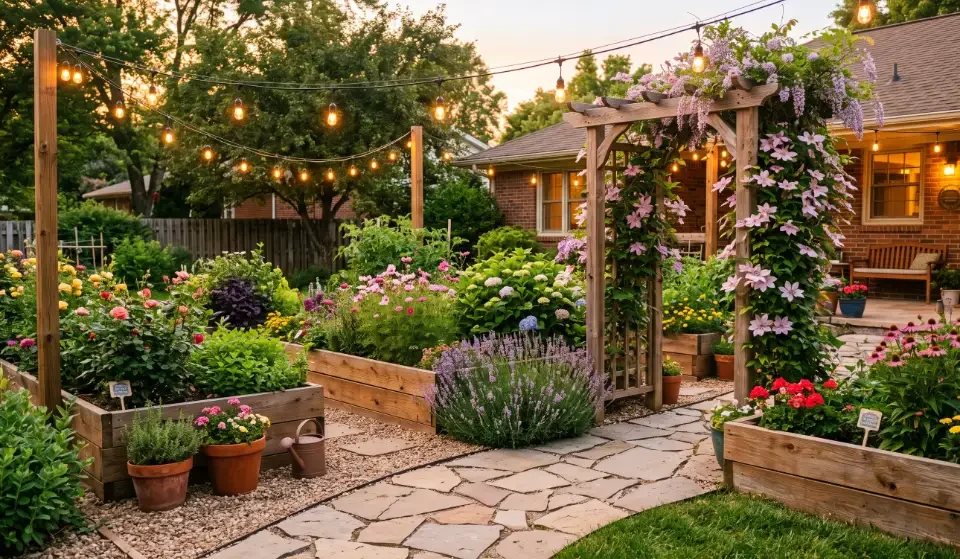

Your backyard looks tired, and most advice online repeats the same vague lines. You water when you remember. You buy plants that die within a month. Nothing feels planned, and the space never turns into the calm spot you pictured. These garden tips DecoradHouse experts actually rely on can change that story. This guide skips the fluff and gives you 17 real, numbered steps covering soil, zones, watering, pests, budget, and common mistakes. By the end, you will know exactly what to plant, when to water, and what your project will cost.
1. Start With Real Garden Tips DecoradHouse Basics
Test your soil pH with a simple kit from any garden center before planting anything. Most plants grow best between 6 and 7 pH. If your soil falls outside that range, mix in compost to balance it naturally, since compost also improves drainage and stops roots from rotting.
“I tested my soil for the first time last spring, and my tomato plants finally survived the whole summer.” — a first-time gardener in Ohio
2. Fix Compacted Soil Before You Plant

A common mistake involves dumping bagged soil straight onto compacted dirt. That soil sits on top instead of blending in, so roots struggle to break through. Loosen the existing ground with a small fork first, then mix fresh soil and compost together. This one step saves plants that would otherwise die within weeks.
3. Match Plants to Your Hardiness Zone
Picking plants by appearance alone almost always backfires. A flower that thrives in Florida can die overnight in a Minnesota winter. Check a USDA hardiness zone planting guide, like the official USDA Plant Hardiness Zone Map, before buying anything, since your zone reveals the lowest winter temperature your area reaches and decides which perennials survive year after year.
4. Mix Perennials and Annuals for Year-Round Color
Annuals only last one growing season regardless of zone, but they add fast color while perennials get established. A homeowner in Zone 6 switched from a heat-sensitive rose bed to daylilies and coneflowers, and the new planting survived its first winter without any dieback.
| Zone | Best Perennials | Best Annuals |
|---|---|---|
| Zone 3-4 | Peonies, Hostas | Pansies, Snapdragons |
| Zone 5-6 | Coneflowers, Daylilies | Marigolds, Petunias |
| Zone 7-8 | Lavender, Black-Eyed Susan | Zinnias, Cosmos |
| Zone 9-10 | Hibiscus, Bougainvillea | Impatiens, Vinca |
5. Water New Plants Daily for the First Week
Overwatering kills more plants than drought ever does. New plants need water daily for their first week, then every two to three days once roots settle in. Established plants usually need water only once or twice weekly, except during extreme summer heat.
6. Follow a Simple Seasonal Care Calendar

Seasonal planting reshapes your entire calendar. Spring calls for soil prep and early planting. Summer focuses on watering and pest checks. Fall works best for mulch application and dividing perennials. Winter mostly means protecting roots from frost. Writing these tasks on a physical or phone calendar prevents the most common failure of all: simply forgetting a step during a busy month.
| Season | Main Task | Watering Frequency |
|---|---|---|
| Spring | Soil prep, planting | Every 2-3 days |
| Summer | Pest checks, deep watering | 2-3 times weekly |
| Fall | Mulch, divide perennials | Once weekly |
| Winter | Frost protection | Minimal |
7. Use Neem Oil Instead of Harsh Sprays

Pest control doesn’t require toxic sprays. Ladybugs and lacewings eat aphids naturally, so avoid chemicals that kill helpful insects along with harmful ones. Neem oil, mixed with water, handles most common pests safely and stays gentle around pets and children. Spray it in the evening so it doesn’t harm bees during daylight hours.
8. Add Companion Plants to Repel Pests Naturally
A frequent beginner mistake involves spraying at the first sign of any bug, even helpful ones. Identify the pest first using a garden center or a free identification app. Marigolds planted near vegetables repel several common pests through their strong scent, and basil planted near tomatoes does something similar, protecting your pollinator garden without chemicals.
9. Try Vertical Gardening in Small Spaces

Not everyone owns a large backyard, and that’s fine. Vertical gardening turns walls, railings, and fences into usable growing space. A simple trellis lets climbing plants like tomatoes or jasmine grow upward instead of outward, which frees up walking room. This fits perfectly into vertical gardening small spaces like apartments and townhomes, and it works well for anyone chasing small backyard garden ideas on a tight footprint.
10. Use Container Gardening on Balconies and Patios
Container gardening pairs naturally with vertical setups. Stack pots on tiered shelves, or hang planters along a railing for extra greenery without extra floor space. Readers looking for more layout inspiration can browse the small-space backyard projects at homeevery.com, which cover several practical setups worth studying before starting your own.
11. Choose Weather-Resistant Garden Decor
Budget friendly garden decor ideas support function first, not clutter. A bench offers seating. A trellis supports climbers. Choose decor built to handle rain and sun, since indoor pieces often crack or fade outdoors within a single season. Metal and treated wood hold up far longer than plastic under direct sun. For more decor pairings that hold up outdoors, homeevery.com has a growing library of yard styling guides worth checking before you buy.
12. Add Solar Lighting Along Pathways and Borders
Outdoor lighting extends how long you actually use your yard each day. Solar path lights along borders and pathways cost little and need no wiring at all. String lights above a seating area create a calm evening mood without a big budget, so keep your color palette simple and cohesive.
13. Budget for Soil and Tools First
Most gardening blogs skip real numbers, so here they are. A basic soil preparation project, including compost and tools, typically costs between 50 and 150 dollars for a small yard. These garden tips DecoradHouse followers use most often focus on small, repeated upgrades instead of one large purchase. Buying tools once and reusing them every season also cuts long-term costs far more than most beginners expect.
| Project | Estimated Cost |
|---|---|
| Soil prep and tools | $50 – $150 |
| Mixed plant bed | $100 – $300 |
| Vertical trellis setup | $30 – $80 |
| Solar path lighting | $40 – $100 |
14. Spread Plant Costs Across a Mixed Bed
Plant costs vary widely, but a mixed bed of perennials and annuals usually runs 100 to 300 dollars depending on size and season. Buying a few plants each month instead of filling a whole bed at once spreads that cost naturally and avoids waste from plants you weren’t ready to care for.
15. Avoid Copying a Neighbor’s Yard Blindly
Copying a neighbor’s yard without checking your own soil or sunlight ranks as a frequent mistake. Every yard holds different light patterns and drainage, so a method that works next door may fail at home. Test your own conditions before buying plants based on someone else’s results.
16. Start Small and Expand Gradually
Planting too much too soon causes early garden failures. Beginners often fill an entire yard the first weekend, then feel overwhelmed by upkeep soon after. Start with one small section, master the care routine, then expand gradually as your confidence and schedule allow.
17. Test One Section Before Committing to the Whole Yard
Before buying enough plants for the entire yard, test one bed for a full season. This confirms your soil, sunlight, and watering routine actually work before you spend a larger budget on the rest of the space. If that first bed struggles, you can adjust your approach cheaply instead of repeating the same mistake across an entire yard.
Frequently Asked Questions
What is the best way to start with garden tips DecoradHouse for beginners?
Start small with one bed and test your soil pH first. Add compost, pick zone-appropriate plants, and expand slowly once the routine feels easy.
How often should I water a new garden?
Water new plants daily for the first week, then reduce to every two to three days. Always check soil moisture before watering again.
Do I need a large yard for vertical gardening?
No, vertical gardening works well even on balconies and small patios. A single trellis or wall planter adds significant green space.
What is the cheapest way to control garden pests?
Neem oil mixed with water handles most common pests safely and costs very little. Identifying the pest first also prevents unnecessary spraying.
How much does a basic DIY garden cost?
A small yard project typically costs between 150 and 400 dollars total, covering soil, plants, and basic decor.
Final Thoughts
Building a healthy yard doesn’t require guesswork or a huge budget. These garden tips DecoradHouse fans rely on combine soil science, zone-based planting, and real cost numbers into one simple system across all 17 steps above. Test your soil, pick zone-correct plants, water on a real schedule, and expand slowly over time. Try applying just one numbered tip this weekend, then build from there as your confidence grows season by season. Small, consistent effort beats one big rushed weekend every single time.

